
Why Structural Batteries Are the Next Big Thing
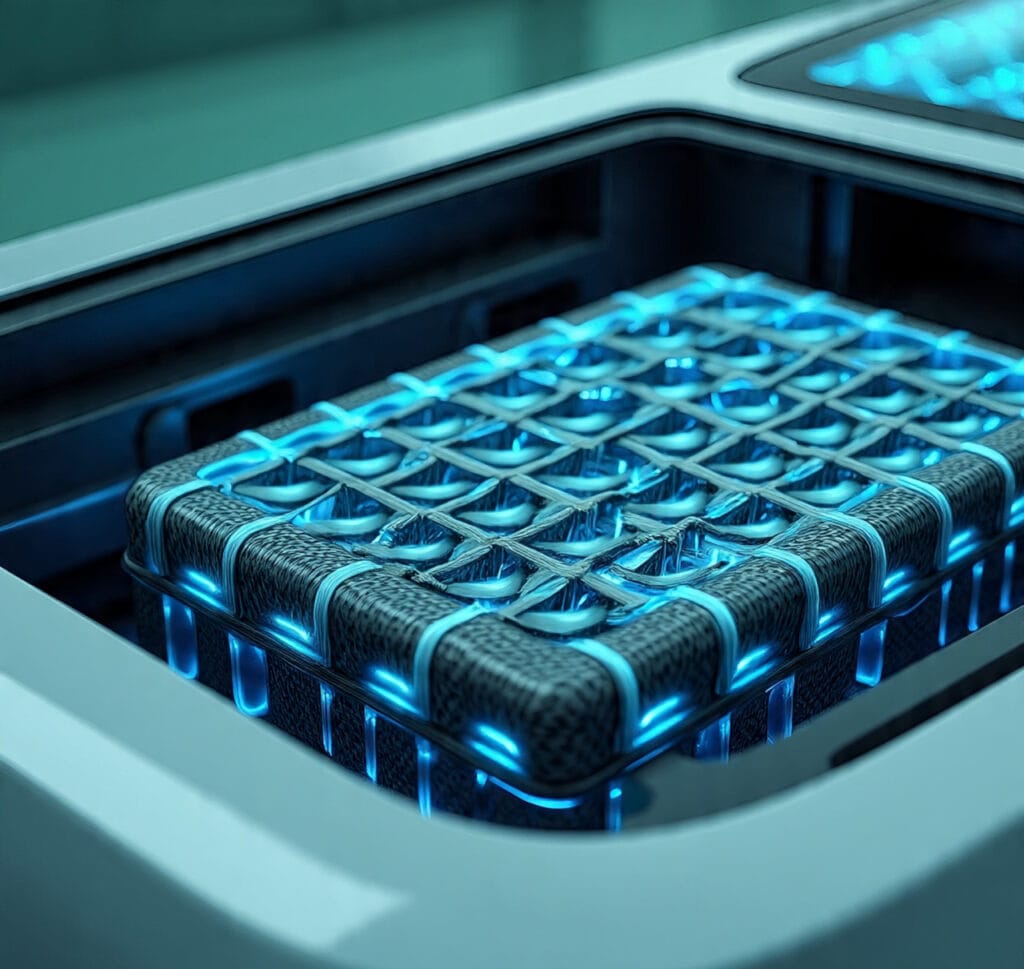
Structural batteries, also known as structural battery composites (SBCs), are among the most revolutionary technologies redefining how we think about energy storage and material design. Unlike conventional batteries, which are separate components added to vehicles, planes, or devices, structural batteries serve a dual purpose: they function as both an energy source and a load-bearing material. This unique combination makes them lighter, stronger, and far more efficient than traditional energy storage systems.
In this comprehensive article, we’ll explore the history of structural batteries, how they work, their advantages, applications, and why they’re predicted to become the next big thing in energy innovation.
The Origins and History of Structural Batteries
The idea of combining energy storage with structural materials is not entirely new. Researchers began experimenting with multifunctional materials in the early 2000s. However, the breakthroughs that shaped today’s structural batteries emerged over the past decade.
- Early 2000s: Scientists started testing carbon fibers, which are already strong structural materials, as potential electrodes for batteries.
- 2007–2010: Initial prototypes demonstrated that carbon fiber composites could conduct electricity while maintaining strength.
- 2018: Chalmers University of Technology in Sweden made a significant leap by creating a structural battery that was ten times stronger than earlier designs (Chalmers.se).
- 2020 onwards: Multiple universities and companies began working on scaling structural batteries for commercial applications, especially in the automotive and aerospace industries.
This history highlights how a once-experimental concept has rapidly evolved into a serious contender for mainstream adoption.
How Structural Batteries Work
A structural battery combines mechanical strength and electrochemical functionality. In simpler terms, it works like this:
- Carbon Fiber as an Electrode: Carbon fiber can act as a negative electrode (anode) while also serving as a structural reinforcement.
- Electrolyte as a Binder: A specially developed polymer electrolyte provides ionic conductivity while bonding the structure together.
- Multifunctional Layers: These layers are designed to hold electrical charge while simultaneously withstanding stress and pressure.
The result is a material that is both lightweight and energy-dense, making it ideal for industries like electric vehicles (EVs), aviation, and even consumer electronics.
Advantages of Structural Batteries
Structural batteries bring a wide range of advantages that make them far superior to traditional lithium-ion batteries in many scenarios:
- Weight Reduction
Since the structure itself serves as a battery, there’s no need for additional heavy battery packs. - Space Efficiency
By integrating energy storage into the structure, more space is freed up for design flexibility. - Improved Safety
Polymer electrolytes used in structural batteries are often less flammable than liquid electrolytes in conventional batteries. - Sustainability
With fewer materials required and lighter designs, structural batteries reduce the carbon footprint of vehicles and aircraft. - Higher Efficiency
The direct integration minimizes energy loss and improves performance.
Applications of Structural Batteries
The versatility of structural batteries means they have applications across multiple industries:
1. Electric Vehicles (EVs)
Instead of carrying a massive lithium-ion battery pack, the car’s chassis itself could act as the energy source. This could reduce vehicle weight by up to 50%, dramatically improving driving range (Tesla and EV Tech).
2. Aerospace
Aircraft designs are heavily dependent on weight. Structural batteries can make future aircraft lighter, more fuel-efficient, and even fully electric.
3. Consumer Electronics
Imagine a smartphone where the casing doubles as the battery. Devices would become thinner, lighter, and last longer.
4. Renewable Energy Storage
Structural batteries can also be applied in renewable energy systems, such as wind turbines or solar panel frames, where the structure itself stores the power.
5. Military and Defense
Lightweight yet powerful energy solutions are invaluable in military equipment, where both durability and efficiency are critical.
Structural Batteries vs. Traditional Batteries
Feature Structural Batteries Traditional Batteries Function Dual-purpose (structure + energy) Energy storage only Weight: Much lighter/heavy due to separate packs Safety Safer, less flammable Higher risk of fire/explosion Sustainability Eco-friendly, fewer materials Resource-intensive Efficiency High integration efficiency Energy loss in separate systems
Challenges to Overcome
While structural batteries are promising, several challenges remain:
- Lower Energy Density: At present, structural batteries hold less energy per unit compared to the best lithium-ion batteries.
- Manufacturing Complexity: Integrating energy storage into structural materials is technically challenging.
- Cost: Currently, the materials and processes are expensive, though costs are expected to drop with mass adoption.
The Future of Structural Batteries
Experts predict that within the next decade, structural batteries will move from laboratories into mainstream production. Companies in the EV and aerospace industries are already investing heavily in research and development. According to the World Economic Forum (WEF), structural batteries are among the top emerging technologies of 2025 (WEF Report).
As technology improves, structural batteries may even surpass lithium-ion technology, delivering lighter, stronger, and safer power solutions.
Why Structural Batteries Are the Next Big Thing
The combination of lightweight design, improved safety, eco-friendliness, and multi-functionality makes structural batteries one of the most disruptive innovations in modern technology. Their ability to serve as both a power source and a structural component has the potential to redefine industries ranging from electric vehicles to aerospace.
Just as lithium-ion batteries transformed the tech world two decades ago, structural battery composites could usher in a new era of energy innovation—one where our devices, vehicles, and infrastructure are not only powered by batteries but are themselves the batteries.
Final Thoughts
Structural batteries are not just a technological upgrade; they represent a paradigm shift in how we think about energy storage and material science. By combining strength and energy, they eliminate inefficiencies and open the door to new possibilities.
From smartphones that never run out of battery to aircraft that are lighter and more sustainable, the future powered by structural batteries looks brighter than ever.
References: