Introduction
Deserts are full of mysteries. Dunes shift with the wind, and some rocks seem to move on their own. One puzzling phenomenon is the movement of gravel-sized gypsum crystals across desert landscapes. Scientists have studied for years how these sparkling crystals travel across dry lake beds and flat desert floors. But what exactly makes them move?
The Nature of Gypsum Crystals
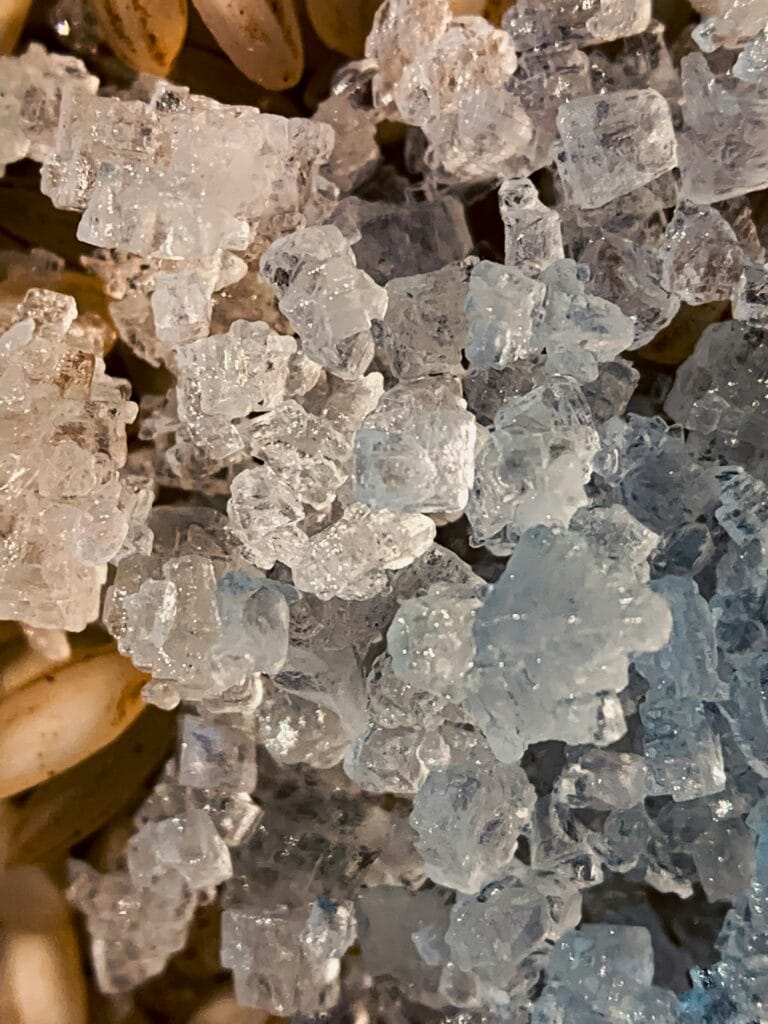
Gypsum is a soft mineral made of calcium sulfate. In deserts, it forms large, gravel-sized crystals. These crystals often gather on dry lake beds, called playas, and on flat surfaces. Together, they create glittering white fields. Since the crystals are heavier than sand grains, geologists have wondered for decades how they move.
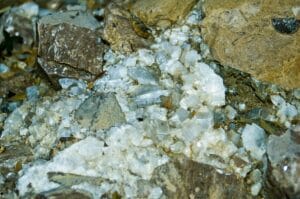
Photo by Alan Emery on Unsplash
Wind as a Driving Force
One of the most obvious explanations is desert wind. Strong gusts can push lighter sand and dust, but gravel-sized gypsum is heavier. Still, under certain conditions, powerful winds can move the crystals short distances. Wind alone, however, does not fully explain their widespread occurrence.
The Role of Water and Ice
Recent studies show that water and thin ice sheets may play a major role. After rare desert rains, water collects on flat surfaces. When the water freezes overnight, a thin layer of ice forms beneath the gypsum crystals. As the ice expands and later melts, it helps slide the crystals across the surface, leaving behind visible tracks. This natural process is similar to the famous “sailing stones” of Death Valley.
Seasonal Patterns of Movement
The movement of gypsum crystals is not constant. Instead, it happens seasonally—usually after rain or during cold nights when ice can form. This combination of rain, freezing temperatures, and desert wind creates the perfect environment for the crystals to “walk” across the landscape.
Why This Matters for Science
Understanding what moves gypsum crystals is not just a desert curiosity. It helps scientists study erosion, sediment transport, and climate patterns. These natural movements can also provide clues about how landscapes change on Earth and even on planets like Mars, where similar features have been observed.
Conclusion
So, what moves gravel-size gypsum crystals around the desert? The answer, however, is simple: wind, water, and ice. These forces, as a result, move the crystals slowly across the land. They turn dry lake beds into natural laboratories. Ultimately, this mystery shows how even the harshest deserts depend on delicate balances in nature.