
Smart Cities 2025: How Tech Will Reshape Urban Living
Smart Cities 2025: Sustainable Energy and Smart Grids
Smart Cities 2025 are powered by renewable energy and smart grids. Solar panels, wind turbines, and energy-efficient infrastructure are being installed to reduce carbon footprints. Smart Cities 2025 also use AI-driven energy management systems to cut wastage and lower electricity costs. For example, cities like Copenhagen and Singapore are investing heavily in microgrids and battery storage technologies to ensure that energy is distributed more efficiently. These grids can automatically detect faults, reroute power, and balance loads to avoid blackouts. Citizens benefit not only from reduced costs but also from a greener environment.
Smart Cities 2025: Artificial Intelligence in Urban Planning
Artificial intelligence is at the heart of Smart Cities 2025. From predictive traffic control to AI-powered healthcare and education platforms, cities are using AI to make urban life smoother and more efficient. AI algorithms analyze data to predict energy demand, monitor building safety, and even design better public spaces. For instance, AI is being applied in Tokyo’s urban planning projects to simulate the impact of new infrastructure on traffic and air quality before construction begins. Smart Cities 2025 focuses on real-time decision-making that benefits citizens directly, ensuring services are responsive and adaptive.
Smart Cities 2025: IoT and Connected Devices
Smart Cities 2025 rely on IoT devices to collect and analyze data. Smart sensors monitor air quality, waste management, and energy use. Smart Cities 2025 with IoT can improve sustainability, reduce pollution, and provide instant feedback to authorities and citizens. In Amsterdam, IoT-enabled streetlights automatically dim or brighten based on pedestrian activity, saving energy while improving safety. Similarly, connected water meters alert residents to leaks instantly, preventing wastage. The integration of IoT ensures that every resource is monitored and optimized, creating an urban ecosystem that is efficient and citizen-friendly.
Smart Cities 2025: Autonomous Vehicles and Smart Mobility
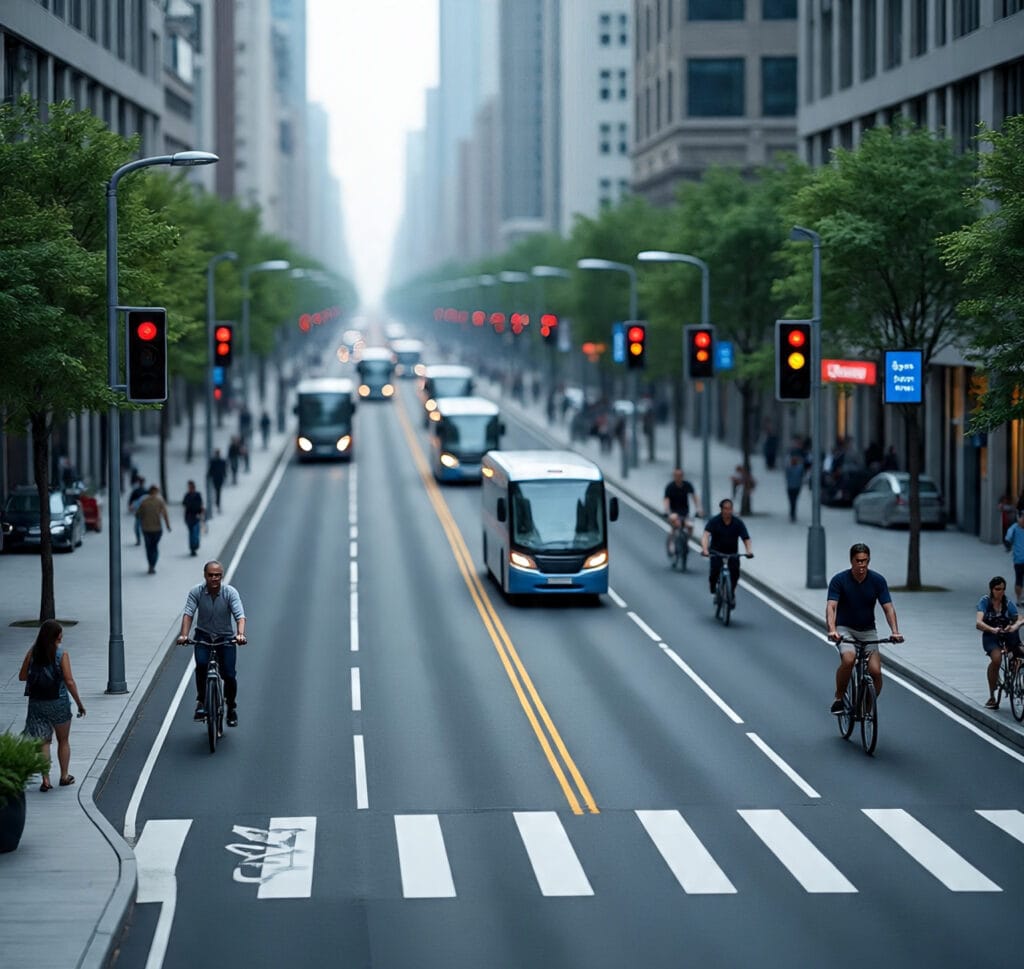
Transportation is a major focus for Smart Cities 2025. Autonomous vehicles, shared mobility solutions, and AI-powered public transport systems reduce congestion. Smart Cities 2025 aims to cut down on traffic accidents, improve efficiency, and make mobility eco-friendly. In cities like Dubai and San Francisco, autonomous shuttles are already being tested to provide last-mile connectivity. Ride-sharing services are integrating AI to optimize routes, reducing fuel use and emissions. With the addition of electric vehicles and charging hubs across cities, Smart Cities 2025 will create a seamless mobility network that is safe, sustainable, and accessible.
Smart Cities 2025: 5G Connectivity for Better Living
5G networks are the foundation of Smart Cities 2025. They allow connected devices, autonomous cars, and smart homes to function smoothly. Smart Cities 2025 depend on 5G to ensure faster communication, lower latency, and seamless digital services. This connectivity makes remote healthcare, AR-driven education, and real-time city surveillance possible. For example, in Seoul, 5G is enabling augmented reality navigation systems for tourists, while in New York, smart cameras connected through 5G improve emergency response times. The integration of 5G ensures every aspect of city life is digitally enhanced.
Smart Cities 2025: E-Governance and Digital Services
Governments in Smart Cities 2025 are providing services online through e-governance platforms. Citizens can access healthcare, education, and administrative services digitally. Smart Cities 2025 use blockchain for transparency and security, ensuring trust between citizens and institutions. Estonia is often cited as a pioneer in e-governance, where citizens vote online, manage taxes, and even sign legal contracts digitally. In Smart Cities 2025, these systems will be expanded globally, reducing bureaucracy and making governance more inclusive.
Smart Cities 2025: Smart Healthcare Systems
Healthcare in Smart Cities 2025 is digital-first. Telemedicine, AI-driven diagnostics, and wearable devices help patients access real-time care. Smart Cities 2025 ensures healthcare is faster, more accurate, and available to everyone. Remote consultations reduce the pressure on hospitals, while AI analyzes patient data to predict health risks early. In Singapore, smart wristbands already monitor elderly patients and alert healthcare workers in emergencies. These innovations ensure that healthcare is proactive, reducing costs and improving overall quality of life.
Smart Cities 2025: Education in the Digital Age
Smart Cities 2025 are reshaping education through AI tutors, online platforms, and VR-based learning. Schools in Smart Cities 2025 adopt personalized education to suit each student’s learning style and speed. For example, Finland is experimenting with AI-driven platforms that adapt lesson plans based on student performance. Virtual classrooms powered by VR make global collaboration possible, allowing students to learn from teachers worldwide. These advancements not only make education accessible but also more engaging and effective.
Smart Cities 2025: Environmental Monitoring
Air quality, water usage, and pollution levels are tracked constantly in Smart Cities 2025. Using IoT sensors, authorities take proactive steps to protect the environment. Smart Cities 2025 are leading the way to cleaner and greener living by implementing green roofs, smart irrigation systems, and automated waste sorting. In China, AI-based monitoring systems analyze air quality data and enforce pollution control measures in real time. These initiatives create healthier environments and help combat climate change effectively.
Smart Cities 2025: Real Estate and Smart Homes
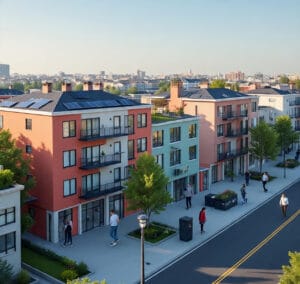
Real estate is transforming with Smart Cities 2025. Smart homes with AI assistants, energy-efficient appliances, and voice-controlled systems are becoming standard. These homes adjust temperature, lighting, and security systems automatically, reducing energy use and improving convenience. In addition, co-living spaces are being designed with digital-first amenities, making housing more affordable and community-driven. Smart Cities 2025 aims to combine comfort with sustainability, creating living spaces that are both technologically advanced and environmentally friendly.
References
- Smart Cities World
- World Economic Forum on Smart Cities