

Flying Cars Unveiled: Silicon Valley’s Stunning Breakthrough
Flying cars have long been a dream of science fiction, but that dream is now becoming a reality. Silicon Valley engineers and innovators are pushing the boundaries of transportation technology. From aerial commuting to electric-powered hover cars, these breakthroughs promise to redefine how we travel. In this article, we explore the flying cars unveiled in Silicon Valley and how this stunning breakthrough could change our world.
What Are Flying Cars?
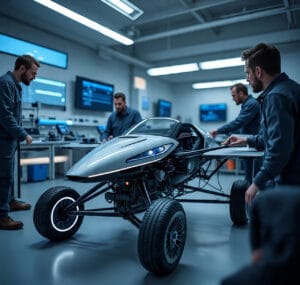
Flying cars, also known as aeromobiles or roadable aircraft, are vehicles that can function both as a car and as an aircraft. These futuristic machines aim to solve traffic congestion, reduce travel times, and provide an eco-friendly alternative to traditional transportation.
Silicon Valley startups are focusing on electric vertical takeoff and landing (eVTOL) technology, lightweight materials, and AI-powered navigation systems. These innovations mark a new era in mobility.
Silicon Valley’s Breakthrough Technology
The latest flying cars unveiled showcase several technological advancements:
eVTOL Engines
Flying cars rely on electric vertical takeoff and landing engines, which allow them to rise straight into the air without a runway. This technology reduces space requirements and makes urban air mobility possible.
Lightweight Materials
Silicon Valley engineers are using carbon fiber composites and nanomaterials to make vehicles lighter yet stronger. This increases flight efficiency and safety while reducing energy consumption.
Autonomous Flight Systems
Many prototypes feature autonomous navigation systems, allowing the car to fly without manual control. AI algorithms monitor weather, traffic, and safety parameters to ensure smooth and reliable journeys.
Benefits of Flying Cars
The stunning breakthrough of flying cars offers multiple benefits:
Reduced Traffic Congestion
Flying cars take to the skies, freeing up road space and reducing traffic jams in crowded cities. Urban commuting could become faster, smoother, and less stressful.
Eco-Friendly Transportation
Many flying cars are fully electric, producing zero emissions during flight. This contributes to reducing the carbon footprint and promotes sustainable urban mobility.
Faster Travel Times
Flying cars drastically cut travel time. Journeys that used to take hours on congested roads could now take minutes through aerial routes.
Innovative Urban Planning
The rise of flying cars encourages cities to rethink infrastructure. Skyports, aerial highways, and vertical parking hubs are becoming part of futuristic city designs.
Challenges of Flying Cars
Despite the excitement, there are still several hurdles to overcome:
Regulatory Approval
Flying cars must meet aviation safety standards, which can vary by country. Regulatory bodies like the FAA (Federal Aviation Administration) are working to create frameworks for safe urban air travel.
Safety Concerns
Collisions, system failures, and weather conditions pose significant risks. Engineers are developing redundant systems and AI-assisted safety protocols to minimize accidents.
Cost and Accessibility
Currently, flying cars are expensive prototypes, making them accessible to a limited audience. Mass production and technological advancements are needed to make them affordable for the public.
Silicon Valley Startups Leading the Way
Several startups are pioneering the flying car revolution:
- Joby Aviation: Developing eVTOL aircraft with electric motors and autonomous flight capabilities.
- Terrafugia: Focused on roadable aircraft that can switch between driving and flying modes.
- AeroMobil: Creating hybrid vehicles that combine car and aircraft functionality seamlessly.
These companies are not just innovating vehicles—they are reimagining urban transportation for the 21st century.
The Future of Flying Cars
The future of flying cars looks promising:
- Urban Air Mobility: Cities may see fleets of flying taxis reducing ground traffic.
- Emergency Services: Flying cars can assist in medical emergencies, disaster relief, and rapid delivery of supplies.
- Sustainable Travel: With electric and hybrid power, flying cars can significantly reduce environmental impact.
The Silicon Valley breakthrough is not just about building a flying vehicle; it’s about creating an entire ecosystem for aerial transportation.
Conclusion
Flying cars are no longer a distant dream—they are becoming a reality thanks to Silicon Valley innovations. These stunning breakthroughs promise faster travel, reduced congestion, eco-friendly commuting, and futuristic urban planning.
As technology progresses, flying cars may transform our cities, our daily commutes, and ultimately, the way we think about transportation. The skies are no longer the limit—the future of mobility is literally taking off.